Reading time: 3 minutes
Published: November 17, 2026

In a recent interview with Adam Shaw for Financial Times David Goldstein, President and Chief Executive Officer of Travel Alberta, was asked whether Alberta can offer an investment landscape as attractive as its natural one. Goldstein's case starts with demand. Visitor spending reached 10 billion before the pandemic, and in 2024 it grew at four times the national rate.

For investors, the harder questions come next. Banff, Lake Louise and Jasper need no introduction, but national park rules leave little room to build near them. And as Shaw put it, how easy is it "to get our money in and to get our money out"?

Goldstein's answer has two parts: build the supply, then remove the friction.

Watch David Goldstein's full interview with the Financial Times
Map of Alberta with numbered TDZ regions, labelled communities and white roads.
The 10 Tourism Development Zones identified for high tourism growth potential

A crown around the jewels

Most destination marketers work only on demand. Travel Alberta decided that was not enough.

"We have some crown jewels: Banff, Lake Louise, Jasper, Edmonton and Calgary," says Goldstein. "But we had to build a crown around the jewels." The experiences around those icons were largely summer-driven, and too few were ready for investment.

The response was 10 Tourism Development Zones, chosen using more than 35 criteria and input from more than 1,000 stakeholders. Most sit within a two to two-and-a-half-hour drive of an international airport. Each of the five spotlight zones, from the Canadian Badlands to the Northern Rockies, has a development plan built around multi-day itineraries and suited product, from glamping to ranch stays. Travel Alberta projects visitor spending in those zones will rise 60% by 2035.

The agency also co-invests with entrepreneurs to build product in the zones. "That sort of supply-and-demand side is unique in our business," Goldstein says. "You can't just drive demand; you have to drive supply. You have to ask investors to come be part of the success."

Investors in other sectors will recognize the model. The zones do for tourism what shovel-ready industrial sites do for manufacturing: the research and local groundwork are done before the investor arrives.

From concept to shovel

The second part of the model answers Shaw's question. Travel Alberta's Investor Concierge offers free, one-window support across a project's life, and Goldstein describes it as a sequence of steps.

First comes capital. "We come in with first-in or last-in capital to get projects started," he says. Next, the team works with municipalities on zoning and permits, and helps the investor test whether a project's numbers work. Zone-level market intelligence and introductions to financing partners support each step.

The support continues after the ribbon cutting. Goldstein cites an entrepreneur, highly successful in another industry, who is now exploring a Western-themed boutique hotel and spa. Travel Alberta is supporting him from concept to shovel. Once the hotel opens, it will help fill the rooms with what Goldstein calls "actual demand drivers". "It's a seamless process," he says.

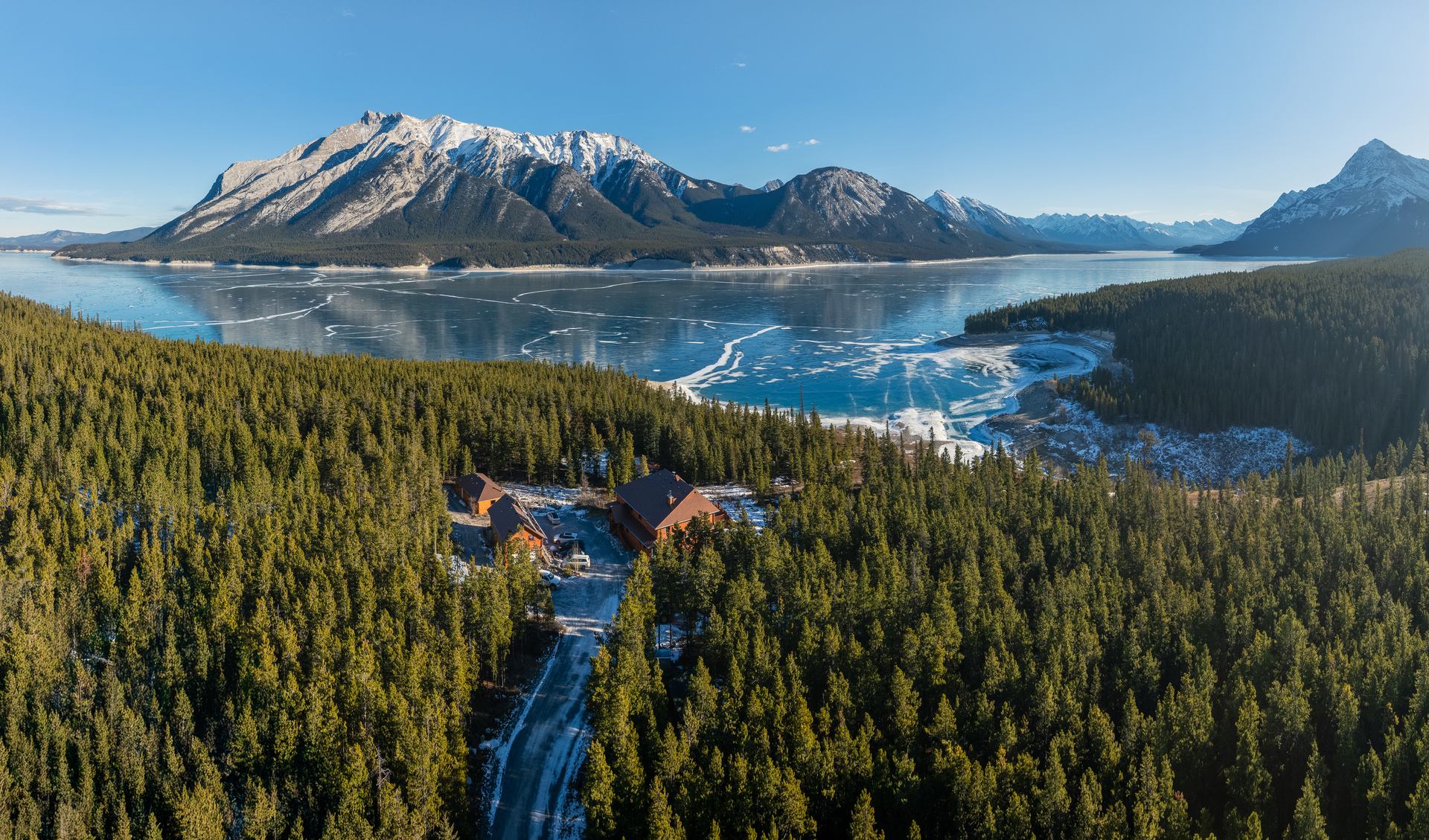
Cabins among evergreen trees overlook a frozen lake surrounded by snow-dusted mountains.
Person in a blue toque sits in a hot tub beside a cabin, patio chairs and firepit.
Opened in 2025, Skyridge Glamping serves as a gateway for adult travellers seeking an elevated, eco-conscious experience in Alberta’s backcountry and marks one of the first developments in Kananaskis in over 20 years.

Proof in the pipeline

Recent projects show the model at work. Scandinave Spa, a Nordic spa brand already operating in Québec, Ontario and British Columbia, chose Edmonton's North Saskatchewan River Valley for its fifth Canadian site. Travel Alberta supplied market insight, provincial data, regulatory help and financial investment. The spa is due to open in summer 2028 and is expected to generate about C$121m in economic impact over construction and its first decade.

Skyridge Glamping shows the same support at a smaller scale. Its owner sold a glamping business in New Brunswick to build adults-only luxury cabins in Kananaskis, one of the first new tourism developments there in more than 20 years. Travel Alberta provided guidance through government application processes and environmental regulations, and made introductions to key stakeholders.

Interest is broadening, Goldstein says, from family firms to large real estate groups now adding hotels to their mix. His pitch to them is simple: "We want to be able to show that this is the demand centre that's going to give you, ultimately, a return on capital, because that's what investors want to see."

Explore how your tourism business can thrive in Canada’s most business-friendly province.

Connect with Travel Alberta’s Investor Concierge Team to request data and insights, and more.

Headshot of Kristi Cox

Kristi Cox

Director, Investor Services

403-648-1070

Connect with Travel Alberta's Investor Concierge

For information on Travel Alberta's privacy practices, including how Travel Alberta will treat your information, please click here.
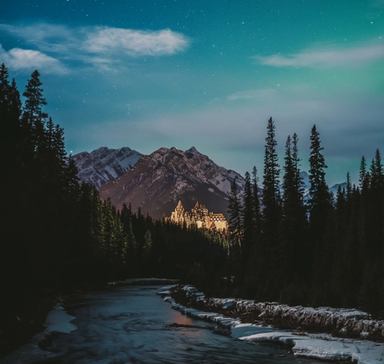
Night landscape with stars, evergreen trees, mountain, illuminated hotel and partially frozen river.

Alberta is a renowned tourism destination with an abundance of opportunity for investment. Its natural attractions provide a stunning backdrop for year-round adventures.

Download the Alberta factsheet
Two people stand on a trail overlooking a winding river and wooded valley.

Following extensive research and engagement, we identified 10 high-potential Tourism Development Zones primed for growth over the next decade. Learn which region is the ideal match for your offering.

Read more